
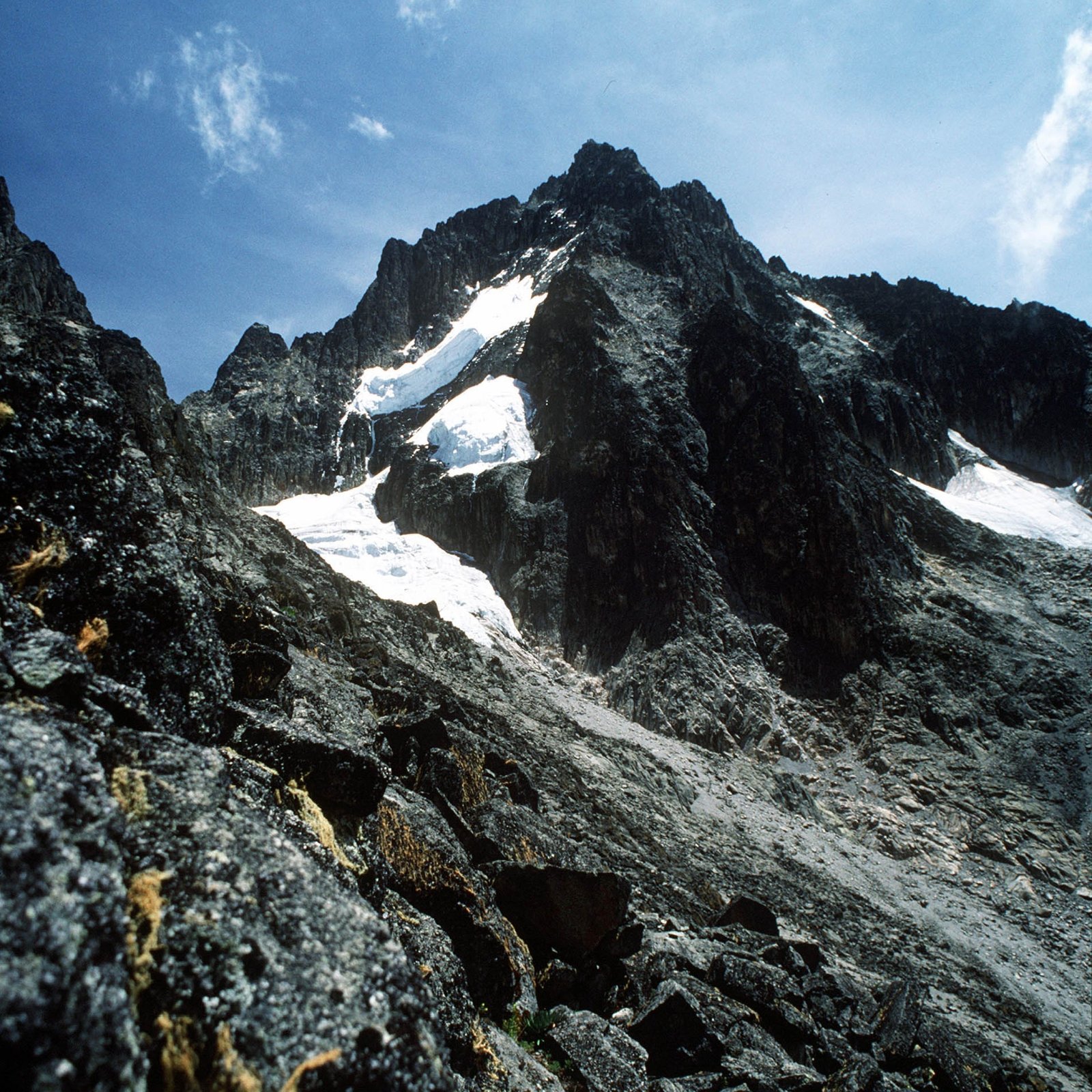

Mount Kenya, Africa’s second-highest mountain after Kilimanjaro, is a beacon for climbers and adventure enthusiasts from around the world. Named after the country itself, this extinct volcano is not only a challenging climb but also a sacred place for many Kenyan communities. Whether you’re an experienced mountaineer or a novice trekker, Mount Kenya offers a range of experiences across its three main peaks: Batian, Nelion, and Point Lenana.
Overview of Mount Kenya
- Location: Central Kenya, approximately 150 km north-northeast of Nairobi
- Elevation: 5,199 meters (17,057 feet) at its highest point
- Type: Extinct stratovolcano
- UNESCO Status: World Heritage Site since 1997
The Three Peaks of Mount Kenya
1. Batian (5,199 meters / 17,057 feet)
Batian is the crown jewel of Mount Kenya, offering a supreme challenge to even the most experienced climbers.
- Difficulty: Extremely challenging, requiring technical rock climbing skills
- Best time to climb: July to September for the North Face Standard Route; December to March for the easier Southwest Ridge
- Route highlights:
- North Face Standard Route (IV+): A test of endurance and skill
- Southwest Ridge: Slightly easier but still demanding
- Equipment needed: Full mountaineering gear, including ropes, harnesses, and helmets
2. Nelion (5,188 meters / 17,021 feet)
Nelion, the second-highest peak, is often used as a warm-up for those aiming to summit Batian.
- Difficulty: Very challenging, requiring multi-pitch rock climbing experience
- Best time to climb: Similar to Batian, with the dry seasons being optimal
- Route highlights:
- Normal Route (IV-): A good introduction to Mount Kenya’s technical climbing
- Equipment needed: Similar to Batian, with full technical climbing gear required
3. Point Lenana (4,985 meters / 16,355 feet)
Point Lenana is the most accessible of Mount Kenya’s peaks, making it a popular choice for trekkers.
- Difficulty: Challenging trek, but no technical climbing required
- Best time to climb: Year-round, but clearer views during dry seasons (December-March and July-October)
- Route highlights:
- NaroMoru Route: The quickest but steepest ascent
- Sirimon Route: Gradual ascent with beautiful scenery
- Chogoria Route: The most scenic, descending through bamboo and rainforest
- Equipment needed: Standard trekking gear, warm clothing, and possibly ice axe and crampons in icy conditions
Preparing for Your Mount Kenya Climb
- Physical Fitness: Begin a training regimen at least 3-6 months before your climb, focusing on cardio and strength training.
- Acclimatization: Spend time at altitude before attempting the summit to reduce the risk of altitude sickness.
- Gear: Invest in or rent quality gear appropriate for your chosen peak and route.
- Guide Selection: Choose a reputable guide service with experienced local guides who know the mountain well.
- Weather Considerations: Be prepared for rapidly changing weather conditions, including potential snow at higher altitudes.
- Permits: Obtain the necessary climbing permits from the Kenya Wildlife Service.
Conservation and Respect
Mount Kenya is not just a climbing destination; it’s a crucial water tower for Kenya and home to diverse flora and fauna. Climbers should adhere to Leave No Trace principles and respect the mountain’s ecological and cultural significance.
Frequently Asked Questions (FAQs)
- Q: Do I need previous climbing experience to attempt Mount Kenya?
A: It depends on which peak you’re aiming for. Point Lenana can be attempted by fit trekkers without technical climbing experience. Batian and Nelion require significant rock climbing experience. - Q: What is the best time of year to climb Mount Kenya?
A: The dry seasons (December to March and July to October) are generally the best times, offering clearer views and more stable weather conditions. - Q: How long does it take to climb Mount Kenya?
A: It varies by route and peak. Point Lenana can be reached in 3-5 days, while technical climbs of Batian or Nelion typically require 5-7 days. - Q: Is it necessary to hire a guide?
A: Yes, it’s highly recommended and often required by park authorities, especially for the technical peaks. Guides provide safety, route knowledge, and cultural insights. - Q: What kind of wildlife might I see on Mount Kenya?
A: The mountain is home to various animals including elephants, buffalo, and monkeys in the lower forests, and unique high-altitude adapted species like the rock hyrax at higher elevations. - Q: How does climbing Mount Kenya compare to Kilimanjaro?
A: While Kilimanjaro is higher, Mount Kenya offers more diverse climbing experiences, from trekking to technical climbing. It’s often less crowded than Kilimanjaro. - Q: What are the symptoms of altitude sickness, and how can I prevent it?
A: Symptoms include headache, nausea, and dizziness. Prevention involves proper acclimatization, staying hydrated, and ascending slowly. Some climbers use medication like Diamox after consulting with a doctor. - Q: Can I camp on Mount Kenya?
A: Yes, there are designated campsites along the major routes. Some routes also have basic huts available. - Q: What kind of food is provided on guided climbs?
A: Most guided climbs provide hearty, high-energy meals. Typical foods include pasta, rice, vegetables, and sometimes meat. Dietary requirements can usually be accommodated if notified in advance. - Q: Is travel insurance necessary for climbing Mount Kenya?
A: Yes, it’s highly recommended to have travel insurance that covers high-altitude trekking and rescue services.
Mount Kenya offers a unique and challenging experience for climbers of all levels. Whether you’re aiming for the technical peaks of Batian and Nelion or the trekking challenge of Point Lenana, proper preparation and respect for the mountain will ensure a safe and memorable adventure
0 Comment