Best African Safaris & Travel Services – African Authentic Safaris Ltd

Volunteer in a Hospital in Nairobi – Starting 1 Mnth
from 0 review
1 Month +
Daily Tour
Unlimited
___
Highlights
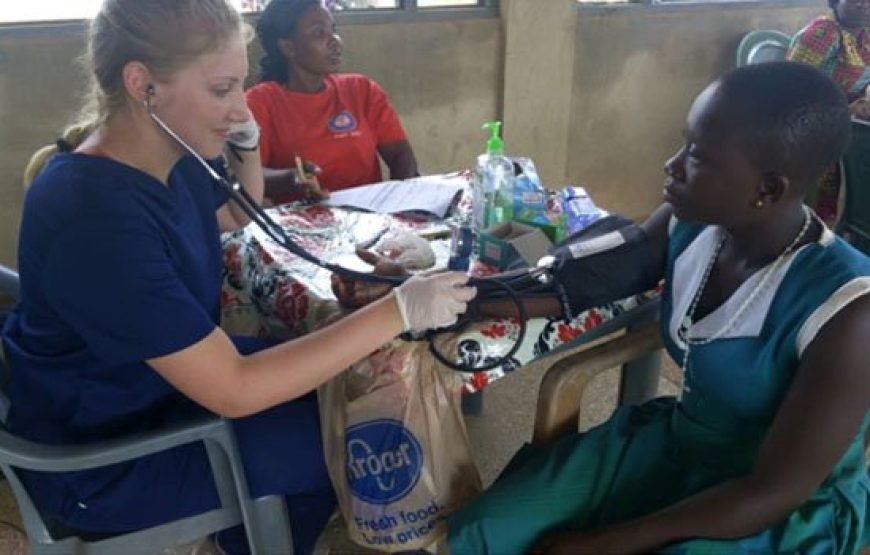
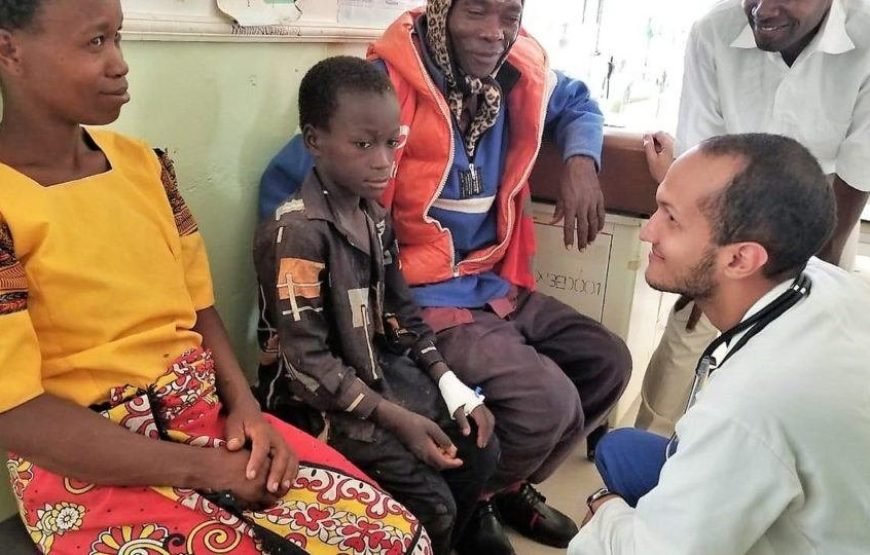
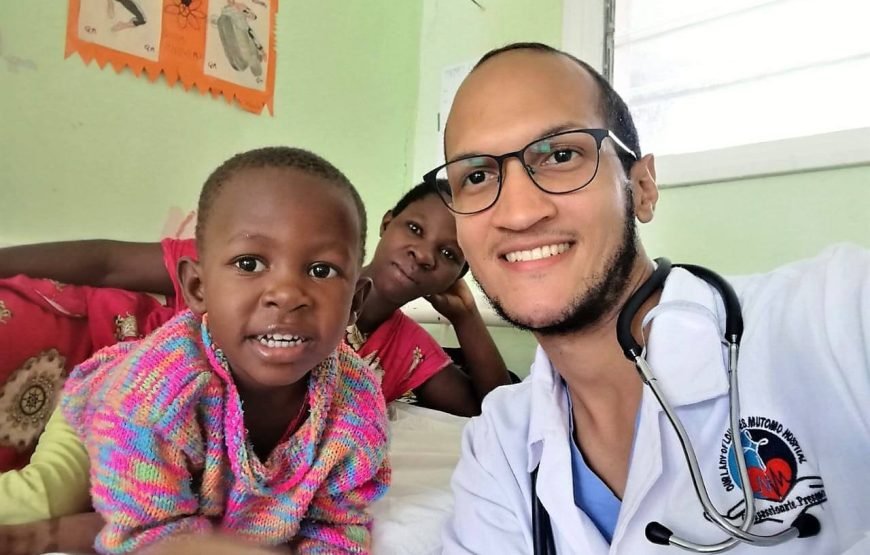
- Immersive Medical Experience: Gain hands-on experience in a Nairobi hospital, working alongside local healthcare professionals.
- Cultural Exchange: Engage with Kenyan culture, learn Swahili basics, and build lasting relationships with fellow volunteers and staff.
- Skill Development: Enhance your medical knowledge and soft skills while contributing to community health initiatives.
- Explore Nairobi: Discover the vibrant city's attractions during your free time, from national parks to bustling markets.
- Certificate Issuance: Receive a recognized certificate upon completion, validating your volunteer experience and skills acquired
DAY 1: Arrival in Nairobi to Start your Medical Volunteering in Nairobi
As you touch down at Jomo Kenyatta International Airport in Nairobi, you'll be greeted by our friendly local staff, ready to whisk you away to your homestay / volunteer accommodation. After settling into your new home for the next month, you'll have time to freshen up and relax. In the evening, join your fellow volunteers for a warm welcome dinner, where you'll get your first taste of delicious Kenyan cuisine. This is the perfect opportunity to meet your peers, share your excitement, and start building connections that will last throughout your stay. The evening will conclude with a brief overview of the medical volunteering program in Nairobi, ensuring you're prepared for the enriching experience ahead in Kenya's bustling capital
Days 2 & 3: Orientation on Kenyan Heritage and Medical Volunteering in Nairobi
These two days are dedicated to immersing you in Kenya's rich cultural tapestry. Expert local guides will lead you through an engaging exploration of Kenya's history, from its ancient roots to its modern-day vibrancy. You'll delve into the diverse ethnic groups that make up Kenya's population, learning about their unique traditions, customs, and languages. Practical sessions will cover essential Swahili phrases, local etiquette, and tips for respectful interaction with Kenyans. The orientation also focuses on crucial aspects of your stay, including safety measures, cultural sensitivity, and your responsibilities as a medical volunteer. Interactive workshops will prepare you for potential challenges and cultural nuances you might encounter in the hospital setting. By the end of day 3, you'll feel confident and excited to begin your medical volunteering work, armed with a deep appreciation for Kenyan culture.
Volunteering in a Hospital in Nairobi
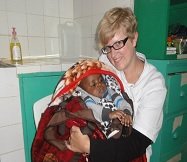
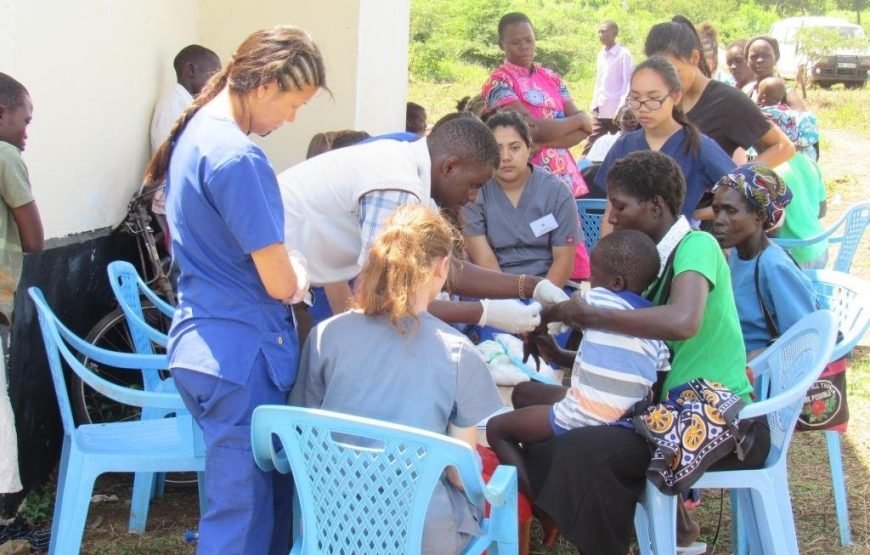
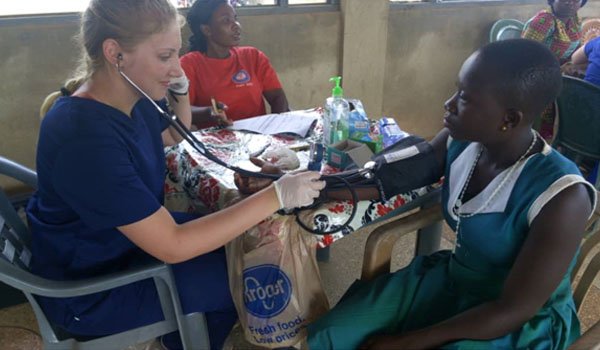
For the next 26 days, you'll be fully immersed in the daily operations of a hospital by volunteering as medial volunteer. Each day begins early, typically around 8 AM, with a briefing from the hospital staff. Your tasks will vary depending on your skills and the hospital's needs, but may include assisting with patient care, helping in various departments like emergency, pediatrics, or maternity, and supporting medical staff in their daily routines. You'll have the opportunity to observe and learn about tropical diseases, healthcare challenges in developing countries, and innovative solutions implemented in resource-limited settings. Expect to work alongside dedicated local healthcare professionals, gaining invaluable hands-on experience while making a real difference in patients' lives. Your evenings will be free for reflection, cultural activities, or exploring Nairobi with your fellow volunteers. Weekends may offer opportunities for local excursions or community health outreach programs, further enriching your experience.
Day 30: Farewell as a Medical Volunteer and Certificate Issuance
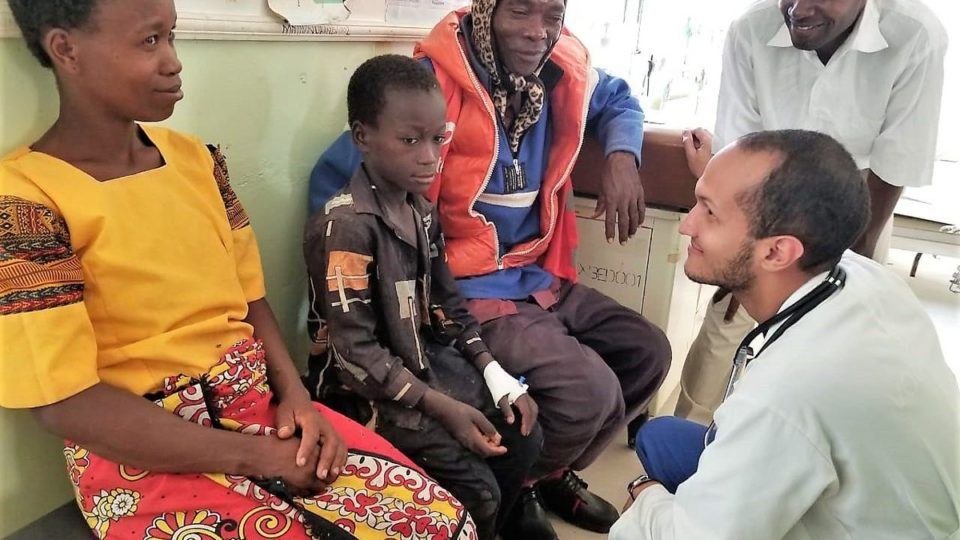
As your medical volunteer program in Nairobi draws to a close, this day is dedicated to reflection and celebration. The morning begins with a final shift at the hospital, allowing you to say goodbye to the staff and patients you've grown close to over the past month. In the afternoon, you'll participate in a special farewell ceremony. Here, you'll receive your well-earned Certificate of Completion, recognizing your dedication and hard work as a medical volunteer in Nairobi. This certificate not only serves as a cherished memento but can also be a valuable addition to your professional portfolio. The ceremony is followed by a farewell dinner with your fellow volunteers and local coordinators, providing a chance to share memories, exchange contact information, and discuss how this experience has impacted your personal and professional growth.
Day 31: Transfer to the Airport for Your Outbound Flight
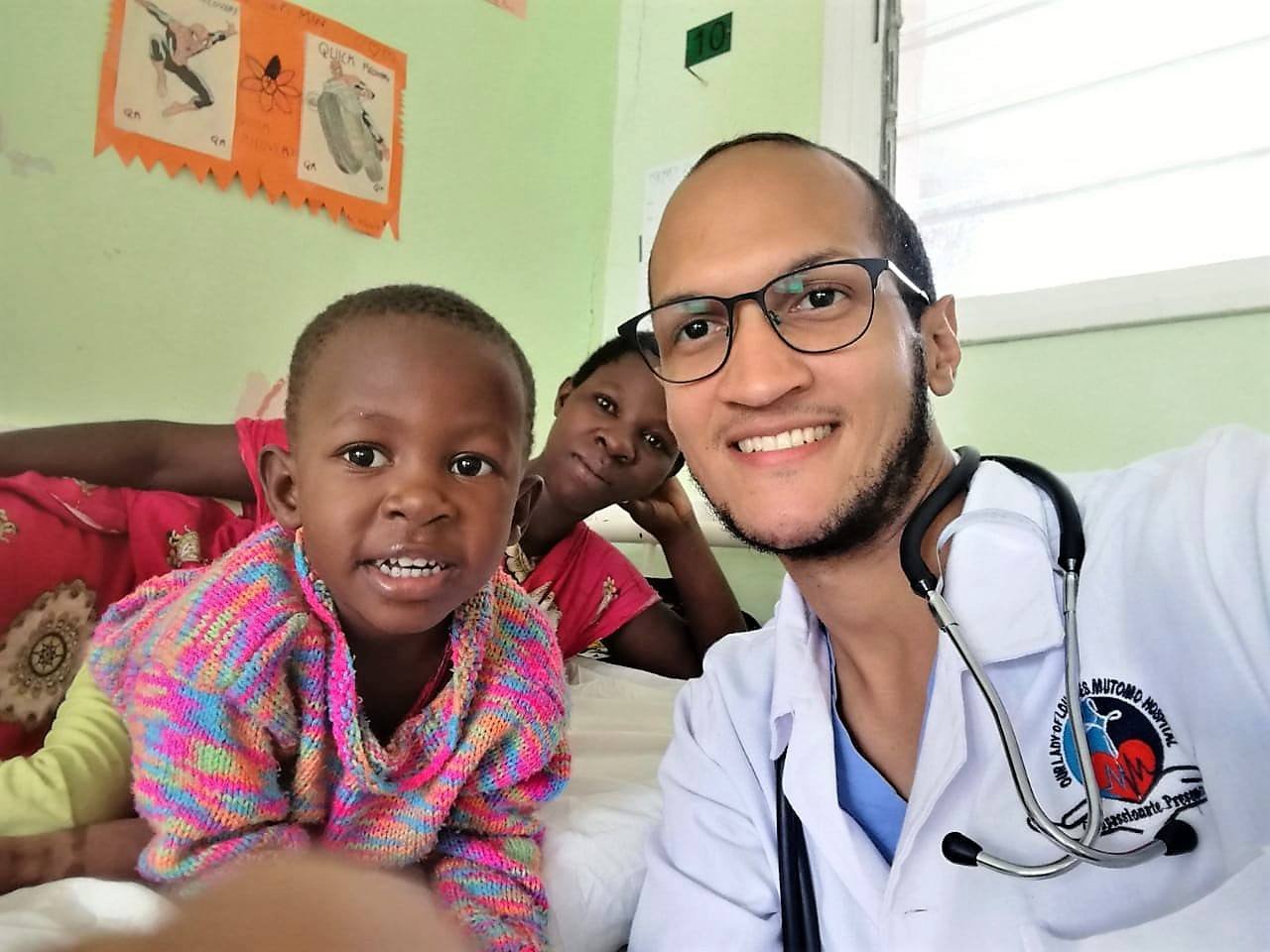
On your final day in Nairobi, you'll have the morning free to pack, exchange last-minute gifts with new friends, or perhaps squeeze in some souvenir shopping. Our staff will ensure you have a smooth departure, arranging your transfer to Jomo Kenyatta International Airport with plenty of time before your outbound flight. As you bid farewell to the bustling streets of Nairobi, you'll carry with you a month's worth of invaluable experiences, new friendships, and a deeper understanding of healthcare challenges and triumphs in Kenya. This transformative journey as a medical volunteer will undoubtedly leave a lasting impact on your personal and professional life, fostering a global perspective that will serve you well in future endeavors.
- Accommodation (shared)
- Orientation and training
- Supervision by local Medical professionals
- Basic equipment and supplies for veterinary work
- Volunteering Certificate upon completion
- 24/7 in-country support
- Flights to and from Nairobi
- Visa fees
- Travel insurance
- Vaccinations and personal medications
- Meals (some programs may provide partial meal plans)
- Personal expenses and souvenirs
- Additional tourism activities outside the program
- Advanced veterinary equipment (if you prefer to bring your own)
Tour's Location
What qualifications do I need to volunteer in a Nairobi hospital?
While medical students and healthcare professionals are preferred, this program is open to individuals with a genuine interest in healthcare and a desire to help. Basic medical knowledge is beneficial but not mandatory. You should be at least 18 years old, have a good command of English, and possess qualities such as empathy, cultural sensitivity, and adaptability. Prior to your arrival, you'll need to provide a clean criminal record check and proof of vaccinations. Some hospitals may require additional health screenings. Remember, your primary role is to assist and learn, always under the supervision of qualified local staff. Enthusiasm, willingness to learn, and respect for local customs are essential for a successful volunteering experience.
What types of tasks will I be involved in during my hospital volunteer work as a Medical Volunteer?
Your tasks will vary depending on your skills, experience, and the hospital's needs. Typical activities include assisting with patient care, such as helping with feeding, bathing, and mobility; supporting medical staff in routine procedures; assisting in various departments like emergency, pediatrics, or maternity; helping with administrative tasks; and participating in community health education programs. You might also be involved in organizing medical supplies, assisting in the pharmacy, or helping with record-keeping. More experienced volunteers or those with specific medical skills may have opportunities for more hands-on clinical work, always under supervision. The goal is to provide you with a comprehensive understanding of healthcare challenges and practices in a developing country context while contributing meaningfully to the hospital's operations
Is accommodation provided in a Medical Volunteering in Nairobi, and what can I expect?
Yes, accommodation is provided as part of the program. You'll typically stay in a volunteer house or homestay near the hospital. Accommodations are basic but comfortable, usually with shared rooms and communal areas. You'll have access to essential amenities like running water, electricity, and Wi-Fi, though service may be intermittent. Meals are often included, featuring a mix of local and international cuisine. This living arrangement offers a great opportunity to immerse yourself in local culture and bond with fellow volunteers. While it may be different from what you're used to, it's an integral part of the volunteer experience. If you have specific requirements or concerns, it's best to communicate these with the program coordinators in advance to ensure a comfortable stay.
What vaccinations do I need for volunteering in a Hospital in Nairobi?
For volunteering in a Nairobi hospital, several vaccinations are recommended or required. These typically include Hepatitis A and B, Typhoid, Yellow Fever, Meningitis, and Tetanus-Diphtheria. You should also ensure your routine vaccinations like MMR (Measles, Mumps, Rubella) and Polio are up to date. Depending on the season and your specific activities, you might also need vaccinations for Rabies and Cholera. It's crucial to consult with a travel health specialist or your doctor at least 4-6 weeks before your trip, as some vaccines require multiple doses over time. They can provide the most current recommendations based on your health history and the latest health advisories for Kenya. Don't forget to bring your vaccination records with you when you travel.
How safe is Nairobi, and what precautions should I take?
Nairobi, like any large city, has its safety concerns, but with proper precautions, most volunteers have a safe and enjoyable experience. The program provides a comprehensive safety orientation upon arrival. General precautions include avoiding walking alone at night, using reputable taxi services or ride-sharing apps, being aware of your surroundings, and keeping valuables secure. It's advisable to avoid displaying expensive items or large amounts of cash. In the hospital, you'll receive training on health and safety protocols, including the use of personal protective equipment. It's important to have comprehensive travel insurance that covers medical emergencies and evacuation. Stay informed about local conditions and follow any safety advisories issued by your program coordinators or local authorities. Remember, most areas frequented by volunteers are generally safe, and your local coordinators are there to ensure your wellbeing.
What is the typical daily schedule for a hospital volunteer?
A typical day starts early, usually around 7 AM, with breakfast at your accommodation. You'll arrive at the hospital by 8 AM for a morning briefing with the local staff. From 8:30 AM to 1 PM, you'll be engaged in various tasks across different departments, depending on the day's needs and your assigned role. Lunch break is usually from 1 PM to 2 PM. The afternoon shift runs from 2 PM to 5 PM, which might involve different activities or continuation of morning tasks. After 5 PM, you're free to return to your accommodation, explore Nairobi, or participate in optional cultural activities. Some days may include workshops or community outreach programs. Weekends are generally free for rest or local excursions, though some volunteers choose to participate in additional hospital shifts. This schedule can vary based on the hospital's needs and any special events or programs during your stay
Can I choose which department I work in at the hospital?
While the program tries to accommodate preferences, complete choice of department isn't guaranteed. The primary goal is to provide a comprehensive experience and meet the hospital's needs. You'll likely rotate through various departments during your stay, which could include general medicine, pediatrics, maternity, emergency, or outpatient clinics. This rotation system allows you to gain diverse experiences and understand different aspects of healthcare in Nairobi. Your placement also depends on your background, skills, and the current needs of the hospital. If you have a specific area of interest or expertise, you can discuss this with your program coordinators. They'll try to arrange some time in your preferred department, balancing it with the overall program structure and hospital requirements. Flexibility and openness to different experiences often lead to the most rewarding volunteer experiences.
What kind of support is provided during the Volonteering in a Hospital program in Nairobi?
The program offers comprehensive support throughout your stay. This begins with pre-departure assistance, including help with visa applications, packing lists, and travel advice. Upon arrival, you'll be met at the airport and transferred to your accommodation. During the orientation days, you'll receive detailed information about your role, cultural norms, and safety guidelines. Throughout your stay, local coordinators are available 24/7 for any concerns or emergencies. At the hospital, you'll work under the supervision of experienced local staff who provide guidance and support. Regular check-ins and feedback sessions are conducted to ensure you're comfortable and making the most of your experience. Language support is available if needed. The program also provides cultural immersion activities and weekend excursion options. Upon completion, you'll receive a certificate and post-program support, including references if required for your future endeavors.
What should I pack for a month-long hospital volunteer program in Nairobi?
Pack light and practical for your month in Nairobi. Essentials include comfortable, modest clothing suitable for a hospital environment (scrubs if you have them), closed-toe shoes, and a light jacket for cooler evenings. Bring any personal medications, a basic first aid kit, and toiletries. Don't forget your passport, visa documents, travel insurance details, and vaccination records. For the hospital, pack a stethoscope if you have one, a water bottle, and a notebook. Bring a laptop or tablet for research and communication, and consider a universal power adapter. Some volunteers find it useful to bring small gifts from their home country for local staff and fellow volunteers. Remember to pack some casual clothes for your free time, comfortable walking shoes, sunscreen, and insect repellent. Laundry facilities are usually available, so you don't need to overpack. Always check with your program coordinators for any specific recommendations or restrictions.
How can I make the most of my medical volunteering experience in Nairobi
To maximize your experience, approach your volunteer work with an open mind and a willingness to learn. Embrace the cultural differences and try to learn some basic Swahili – locals always appreciate the effort. Be proactive in your role at the hospital, asking questions and seeking opportunities to learn new skills. Engage with local staff and fellow volunteers, as these connections can lead to rich cultural exchanges and potentially lifelong friendships. Take time to reflect on your experiences, perhaps by keeping a journal. Participate in any extra activities or workshops offered by the program. During your free time, explore Nairobi and its surroundings to gain a broader understanding of Kenyan culture. Consider extending your stay to travel within Kenya after your volunteer period. Remember, while you're there to help, you're also there to learn – be humble, respectful, and ready to have your perspectives challenged and expanded.
Reviews
You might also like
Volunteering in a Hospital, Diani – Starting 1 Month
Diani Beach, South Coast Kenya

Volunteer as a Teacher in Nairobi – Starting 2 Wks
Nairobi, Kenya
Volunteer in a Hospital in Nairobi – Starting 2 Wks
Nairobi, Kenya
Leave a review