
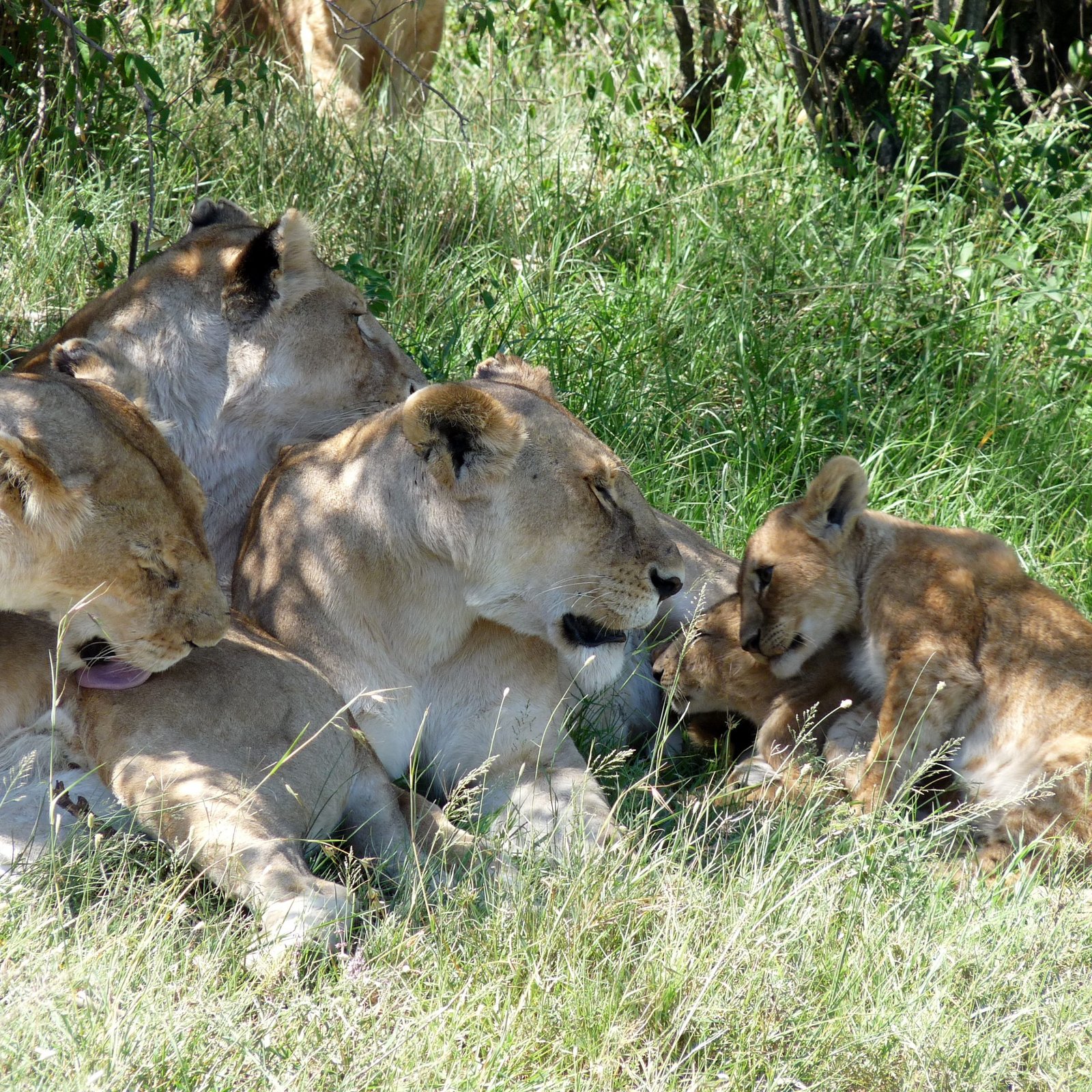

The Maasai Mara National Reserve, voted as the 7th Wonder of the World, offers exceptional wildlife viewing year-round. However, the best time to visit depends on your specific interests and what you hope to experience. This guide will help you plan your trip to coincide with the natural wonders and seasonal highlights of this remarkable ecosystem.
Seasonal Highlights in Maasai Mara
Great Wildebeest Migration (July – September)
- Peak Season: Witness over 1.5 million herbivores migrating from Serengeti to Maasai Mara
- Wildlife Spectacle: Observe wildebeests, zebras, and antelopes crossing the Mara River
- Predator Action: Increased chances of seeing lions and other predators in action
- Note: Expect higher prices and larger crowds during this popular period
Lion Season (January – March)
- Perfect Weather: Enjoy Kenya’s “summer” with plenty of sunshine
- Birth of Calves: Witness numerous herbivores giving birth to their young
- Predator Activity: Increased likelihood of seeing lion prides hunting
- Visibility: Less dense vegetation offers better wildlife viewing and photography opportunities
Green Season (April – June)
- Low Season: Fewer tourists and discounted accommodation prices
- Lush Landscapes: Abundant rainfall creates verdant, picturesque scenery
- Bird Watching Paradise: Ideal time for observing both resident and migratory birds
- Budget-Friendly: Perfect for travelers with a more limited budget
Wildlife Season (October – November)
- Migration Continuation: Observe wildebeest moving southwards to Serengeti
- Shoulder Season: Relatively discounted prices compared to peak months
- Short Rains: Brief rainfall periods promote grass growth, attracting diverse wildlife
Festive Season (December)
- Holiday Atmosphere: Celebrate Christmas and New Year in the heart of the savanna
- Comfortable Weather: Enjoy pleasant temperatures for safari activities
- Family-Friendly: Ideal time for family vacations and group trips
Tips for Choosing the Best Time to Visit
- Define Your Priorities: Decide whether you want to see the migration, focus on specific wildlife, or enjoy lower prices.
- Consider Your Budget: Peak seasons (July-September, December) are more expensive than low seasons.
- Weather Preferences: Choose between dry seasons for easier wildlife spotting or green seasons for lush landscapes.
- Crowd Sensitivity: Visit during shoulder seasons (October-November) for a balance between good wildlife viewing and fewer tourists.
- Special Interests: Plan around specific events like the wildebeest migration or bird watching seasons.
By carefully considering these factors, you can select the perfect time to experience the wonders of Maasai Mara, ensuring an unforgettable safari adventure tailored to your preferences and expectations.
Frequently Asked Questions (FAQs)
Q1: When is the absolute best time to visit Maasai Mara?
A: The peak season from July to October is generally considered the best time to visit Maasai Mara. This period coincides with the Great Wildebeest Migration, offering spectacular wildlife viewing opportunities. However, the “best” time can vary depending on your specific interests:
- For the Great Migration: July to October
- For newborn animals: January to March
- For bird watching: April to June
- For fewer crowds and lower prices: April to June or November
Remember, Maasai Mara offers unique experiences year-round, so there’s no single “best” time for everyone.
Q2: Can I see the Big Five in Maasai Mara?
A: Yes, Maasai Mara is one of the best places in Africa to see the Big Five (lion, leopard, elephant, rhinoceros, and buffalo). While these animals are present year-round, your chances of spotting them can vary:
- Lions are commonly seen throughout the year
- Elephants and buffaloes are easier to spot during the dry season (June to October) when they gather around water sources
- Leopards are elusive but can be seen with patience and a good guide
- Rhinos are the rarest of the Big Five in Maasai Mara, but sightings are possible
For the best chances of seeing all five, visit during the dry season and plan for multiple game drives.
Q3: How does the weather affect my safari experience in Maasai Mara?
A: Weather plays a significant role in your Maasai Mara safari experience:
- Dry Season (June to October, January to February):
- Pros: Easier wildlife viewing as animals gather around water sources, less vegetation for better visibility, more comfortable temperatures
- Cons: Dusty conditions, more crowded
- Wet Season (March to May, November to December):
- Pros: Lush green landscapes, great for photography, fewer tourists, lower prices
- Cons: Some roads may become impassable, animals are more dispersed, occasional heavy rains can disrupt activities
Choose based on your preferences for wildlife viewing conditions, landscape aesthetics, and comfort level with rain.
Q4: Is it worth visiting Maasai Mara during the green season?
A: Absolutely! The green season (April to June) offers unique advantages:
- Lush, vibrant landscapes perfect for photography
- Newborn animals and their interactions with predators
- Excellent bird watching with many migratory species present
- Fewer tourists and lower prices
- Dramatic skies and potential for rainbow sightings
While wildlife might be more dispersed, skilled guides can still provide excellent game viewing experiences. The green season is ideal for those who appreciate verdant scenery and don’t mind occasional rain showers.
Q5: How far in advance should I book my Maasai Mara safari?
A: Booking timeframes depend on when you plan to visit:
- Peak Season (July to October): Book 9-12 months in advance, especially if you want specific accommodations or guided tours
- Shoulder Season (November to December, January to March): 6-9 months in advance is usually sufficient
- Low Season (April to June): 3-6 months ahead is often enough, but booking earlier can secure better deals
For any season, if you’re traveling in a large group or have specific lodging preferences, it’s best to book as early as possible. Last-minute bookings are sometimes possible during the low season, but options may be limited.
Q6: What types of accommodations are available in Maasai Mara?
A: Maasai Mara offers a wide range of accommodation options to suit various preferences and budgets:
- Luxury Lodges: High-end facilities with premium services, often including spa treatments and gourmet dining
- Tented Camps: Ranging from basic to luxurious, offering a more immersive safari experience
- Mobile Camps: Seasonal camps that follow wildlife movements, providing an adventurous experience
- Community-run Camps: Support local Maasai communities while enjoying authentic cultural experiences
- Budget Campsites: For self-drive safaris or those seeking a more rugged experience
Each type of accommodation offers a unique perspective on the Maasai Mara experience, from opulent comfort to rustic adventure.
Q7: Are there any cultural experiences available in Maasai Mara?
A: Yes, Maasai Mara offers rich cultural experiences alongside its wildlife attractions:
- Maasai Village Visits: Learn about traditional Maasai lifestyle, customs, and crafts
- Cultural Dances: Witness vibrant Maasai performances, often arranged by lodges and camps
- Bush Walks with Maasai Warriors: Gain insights into tracking skills and local plant uses
- Community Projects: Visit and support local initiatives in education, healthcare, or conservation
- Balloon Safaris: Combine breathtaking views with cultural insights from your pilot
These experiences provide a deeper understanding of the local culture and its relationship with the wildlife and landscape of Maasai Mara.
Q8: What should I pack for a Maasai Mara safari?
A: Essential items for a Maasai Mara safari include:
- Neutral-colored, lightweight clothing (avoid bright colors and blue, which attracts tsetse flies)
- Warm layers for early morning and evening game drives
- Comfortable, closed-toe shoes for walking
- Wide-brimmed hat and sunglasses for sun protection
- High SPF sunscreen and insect repellent
- Binoculars for wildlife viewing
- Camera with extra batteries and memory cards
- Refillable water bottle
- Personal medications and a basic first-aid kit
- Small daypack for game drives
Remember to check with your specific accommodation for any additional recommendations or restrictions.
By considering these factors and planning accordingly, you can ensure an unforgettable safari experience in the magnificent Maasai Mara, regardless of when you choose to visit.
0 Comment