
The Ultimate Guide to Masai Mara Migration
The Great Migration in the Masai Mara provides one of earth's most dramatic wildlife spectacles, peaking between July and October. This guide highlights the best times for river crossings and predator sightings, offering practical tips to ensure a successful and soul-stirring safari.
Every year, a primal rhythm calls to over 1.5 million wildebeest, zebras, and gazelles, prompting them to embark on a perilous 1,000-mile journey across the Serengeti-Mara ecosystem. This is the Great Wildebeest Migration, often dubbed the "Eighth Wonder of the World." If you are planning a safari to Kenya’s Masai Mara, witnessing this spectacle is likely at the top of your bucket list.
The Masai Mara period of the migration typically occurs between July and October. During these months, the vast golden plains of the Mara become the stage for one of nature’s most dramatic displays. Knowing when and where to go is the difference between a good safari and a life-changing experience.
### The Arrival: July and August By July, the herds have usually exhausted the grazing lands of the northern Serengeti and begin their trek into the Masai Mara. This is arguably the most action-packed time to visit. The iconic Mara River crossings occur during this window. Watching thousands of wildebeest plunge into the crocodile-infested waters is a heart-pounding experience. The tension in the air is palpable as the animals hesitate on the steep banks before a single leader takes the leap, triggering a chaotic, dusty surge to the other side.
### The Settling: September and October By September, the majority of the herds have successfully crossed into the Mara’s lush grasslands. While the river crossings may become less frequent, the sheer density of wildlife is staggering. This is the best time for predator sightings. Lions, leopards, and cheetahs thrive during the migration, taking advantage of the abundance of prey. For photographers, the soft light of the Mara and the vast horizons dotted with thousands of animals offer unparalleled opportunities.
### Practical Tips for Your Migration Safari 1. **Book Well in Advance:** The best camps and lodges in the Masai Mara often fill up a year in advance for the migration season. 2. **Pack for Layers:** While the African sun is strong during the day, early morning and late evening game drives can be surprisingly chilly. Bring a warm fleece and a windbreaker. 3. **Choose Your Location Wisely:** Consider staying in a private conservancy adjacent to the main reserve. You’ll enjoy more exclusive sightings and the ability to go off-road, while still being a short drive away from the river crossing points. 4. **Patience is Key:** Wildlife doesn’t follow a clock. You might spend hours waiting by the river for a crossing that never happens, or you might witness three in one afternoon. Trust your guide’s instincts and enjoy the stillness of the bush.
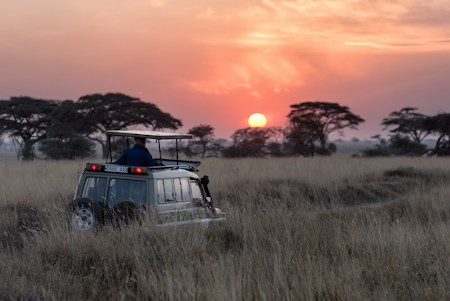
Witnessing the Great Migration is more than just a vacation; it is a humbling reminder of the raw power of the natural world. As the dust settles and the sun dips below the acacia-dotted horizon, you’ll realize that the Masai Mara has left an indelible mark on your soul.