How to Save Costs While on Safari in Africa?
Experience the thrill of the wild on a budget by traveling during the Green Season, choosing self-drive destinations like South Africa, and staying just outside park boundaries. This guide proves that authentic safari experiences are accessible through smart planning and flexibility.
The dream of an African safari is often associated with a luxury price tag, featuring sprawling canvas tents, private plunge pools, and vintage champagne sunsets. While those high-end experiences are spectacular, a common misconception is that an authentic safari is out of reach for the budget-conscious traveler.
With a few strategic decisions, you can experience the magic of the African bush—watching lions hunt at dawn or elephants bathing in a waterhole—without draining your life savings. Here is how to stretch your budget further on your next wild adventure.
### 1. Timing is Everything: Travel in the 'Green' Season The most expensive time to visit is during the dry winter months (June to October) when wildlife gathers around water sources. Instead, consider the 'Green Season' or the shoulder season. This period usually falls during the rainy months (November to April). Not only are lodge prices significantly lower, but the landscapes are lush, the birdwatching is world-class, and there are fewer crowds. You might get a short afternoon shower, but the savings can be up to 40% off peak rates.
### 2. Choose Your Destination Wisely Some countries are naturally more budget-friendly than others. South Africa and Namibia are excellent choices for cost-conscious travelers because they offer high-standard public infrastructure and numerous self-drive options. Kruger National Park in South Africa, for instance, has a variety of affordable 'Rest Camps' managed by the government. In contrast, remote destinations like Botswana’s Okavango Delta often rely on light aircraft transfers, which can drive prices up significantly.
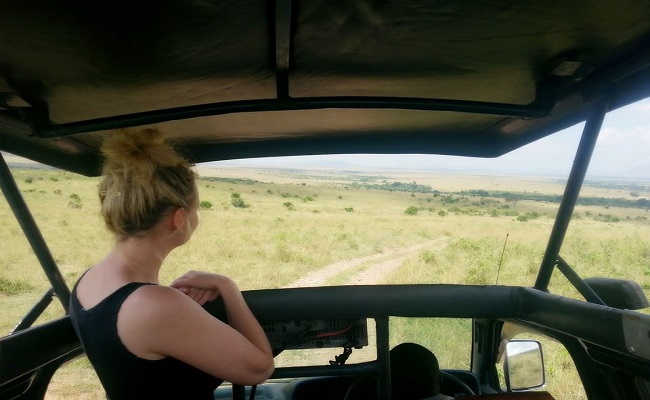
### 3. Opt for Overland or Self-Drive Safaris If you are comfortable behind the wheel, a self-drive safari is the ultimate way to save. Renting a 4x4 with a rooftop tent allows you to combine your transport and accommodation costs. Alternatively, consider joining an 'Overland Tour.' These are group trips in large, rugged trucks. By sharing the costs of a guide, fuel, and meals with other travelers, you get a professionally guided experience at a fraction of the price of a private fly-in safari.
### 4. Stay Outside the Park Gates Lodges located inside national parks charge a premium for the convenience of being 'in the action.' However, many excellent guest houses and campsites sit just outside the park boundaries. By staying 15–20 minutes away from the main gate, you can save hundreds of dollars. You’ll still be at the gate by sunrise, ready for your game drive, but you’ll have more money left in your pocket for souvenirs or extra excursions.
### 5. Prioritize Group Activities Private vehicles and private guides are luxury add-ons. Most lodges offer scheduled game drives shared with other guests. Embrace this! It’s a great way to meet fellow travelers, and more eyes on the bush means a better chance of spotting that elusive leopard hidden in the thicket.
### Final Thoughts An African safari is an investment in memories. By being flexible with your dates and choosing land-based travel over scenic flights, you can enjoy a world-class wildlife experience that respects your budget. The roar of a lion sounds just as magnificent from a sturdy overland truck as it does from a luxury suite.
Ready to start planning? Focus on the experience, embrace the adventure, and the African wilderness will reward you.