
Comprehensive Guide to a Sustainable Kenya Safari Adventure
This guide highlights the importance of sustainable travel in Kenya, focusing on eco-certified accommodations, responsible wildlife interactions, and community support. The key takeaway is that mindful travel preserves Kenya's unique ecosystems for the future.
Kenya is a land of breathtaking landscapes, from the iconic golden savannahs of the Masai Mara to the snow-capped peaks of Mount Kenya. As a premier safari destination, it offers travelers a front-row seat to the wonders of the natural world. However, with great beauty comes a great responsibility. Sustainable tourism is no longer just a buzzword; it is a vital practice to ensure that Kenya’s wildlife and ecosystems thrive for generations to come.
Choosing an Eco-Conscious Lodge
Your journey toward sustainability begins with where you lay your head at night. Look for accommodations that hold certifications from Ecotourism Kenya. These lodges and camps are rated based on their environmental management, waste reduction, and community involvement. Many top-tier eco-camps now operate entirely on solar power, harvest rainwater, and have eliminated single-use plastics. By staying at a conservancy-based camp, a portion of your stay often goes directly toward protecting the land and paying fair wages to local landowners.
Responsible Wildlife Viewing
The thrill of seeing a leopard in a tree or a pride of lions on the hunt is unparalleled. However, it is essential to follow the "leave no trace" principle. Always insist that your driver-guide stays on designated tracks to prevent soil erosion and habitat destruction. Never encourage your guide to get too close to the animals for a "better photo." Maintaining a respectful distance reduces animal stress and ensures their natural behavior isn't disrupted. Remember, you are a guest in their home.
Support the Local Economy
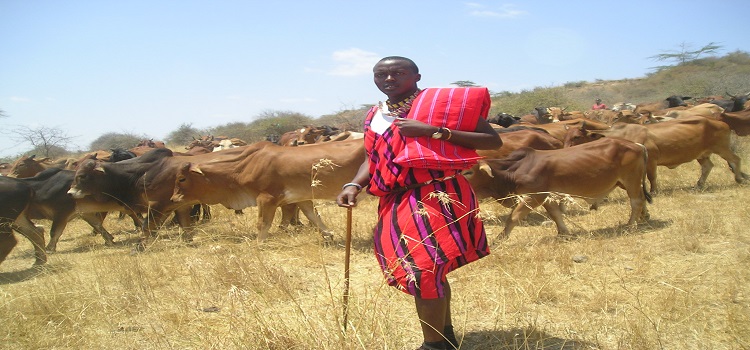
Sustainability is as much about people as it is about animals. Seek out experiences that involve local communities in a respectful, non-exploitative way. Visit a Maasai or Samburu village through an organized tour that ensures the proceeds stay within the community. When shopping for souvenirs, buy directly from local artisans rather than imported mass-produced goods. This supports traditional craftsmanship and provides a direct economic incentive for communities to protect their local environment.
Pack with Purpose
What you bring into the country matters. Kenya has a strict ban on plastic bags, so ensure your luggage is free of them. Pack a reusable water bottle, as most reputable lodges provide filtered water stations. Use reef-safe sunscreen if your safari includes a trip to the coast, and bring biodegradable toiletries to minimize the impact on local water systems.
By choosing to travel mindfully, your Kenya safari becomes more than just a vacation—it becomes a contribution to the preservation of our planet’s most precious wild spaces. Embark on your adventure with an open heart and a light footprint, and Kenya will reward you with memories that last a lifetime.