Common Mistakes to Avoid While Visiting Nairobi National Park
Maximize your Nairobi National Park experience by arriving at dawn, hiring a local guide, and respecting the wild nature of the animals despite the nearby city skyline. Preparation is key to transforming a simple drive into a professional safari experience.
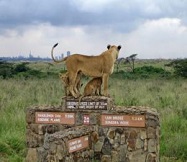
Just seven kilometers from the bustling skyscrapers of Kenya’s capital lies a prehistoric world of golden savannahs and thorn trees. Nairobi National Park is a global anomaly—the only wildlife park in the world within a city’s boundaries. Because of its accessibility, many travelers treat it like a casual city park. However, this is a genuine wilderness area with wild predators and fragile ecosystems.
To ensure your safari is as magical as the brochures promise, avoid these common pitfalls on your next visit.
### 1. Starting Your Drive Too Late The most frequent mistake visitors make is hitting the gates at 9:00 AM. While the park is open, the African sun is unforgiving. By mid-morning, lions and leopards often retreat into the thickets or tall grass to sleep off the heat. If you want to see the "Big Four" (minus the elephant, which isn't found here), you must be at the gate by 6:00 AM. The golden hour offers the best photography light and the highest chance of catching predators on the move.
### 2. Thinking You Don't Need a Guide Since the park is small compared to the Maasai Mara, many tourists opt for a self-drive in a rental car. While possible, you’ll likely miss 70% of the action. Professional safari guides communicate via radio and have a trained eye for spotting a cheetah’s tail flicking in the grass or a rhino hidden behind a leleshwa bush. Investing in a local guide turns a "nice drive" into an educational expedition.
### 3. Forgetting Your Binoculars Nairobi National Park is a haven for rhinos and birdlife (over 400 species!). Often, the most exciting sightings happen a few hundred yards from the road. If you rely solely on your smartphone camera, you’ll leave with blurry brown dots in your photo gallery. Bring a decent pair of binoculars and a camera with a telephoto lens to truly appreciate the intricate patterns of a giraffe’s coat or the intensity of a lion's gaze.
### 4. Overlooking the "Silicosis" Effect (Dust and Windows) In the dry season, the park is incredibly dusty. Many visitors keep their windows rolled down the entire time. While you want the fresh air, remember to roll them up when driving between sightings to keep your gear and lungs clean. Conversely, don't forget the etiquette: if you are at a sighting, turn off your engine to allow everyone to hear the sounds of the bush.
### 5. Ignoring the Safety Rules It sounds obvious, but never exit your vehicle except at designated spots like the Mokoyeti Picnic Site or the Ivory Burning Site Monument. It is easy to feel safe because you can see the city skyline, but the buffaloes and lions here are wild and unpredictable. Stay inside the vehicle and keep your limbs inside the windows—especially in areas with high primate populations like baboons, who are notorious opportunists.
### 6. Rushing Through the Experience Most visitors allocate two hours and then rush back to the airport or a meeting. Nairobi National Park rewards the patient. Spend time at the man-made dams; these are magnets for hippos and thirsty herbivores. If you rush, you’ll miss the subtle drama of the wild—the way an impala snorts to warn of a predator, or the slow, majestic walk of a black rhino crossing the plains.
By avoiding these blunders, you’ll find that Nairobi National Park isn’t just a "stopover" destination; it’s a world-class safari experience that just happens to have a city as its backdrop. Enjoy the contrast, respect the wildlife, and bring plenty of water!