
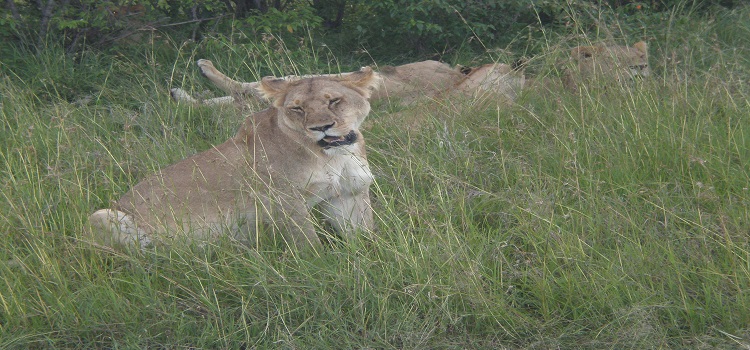
Capture the Best Wildlife Shots While on a Kenyan Safari with These Ultimate Photography Tips
Taking great wildlife photos in Kenya requires timing your drives for the golden hour, using a telephoto lens to get close to the action, and maintaining high shutter speeds. By following these tips and respecting the environment, you'll return home with a portfolio of world-class images.
Kenya is a photographer’s dream. From the iconic silhouette of a lone acacia tree against a burnt-orange sunset to the heart-stopping speed of a cheetah on the hunt in the Masai Mara, the visual rewards are endless. However, capturing these moments requires more than just a high-end camera; it requires patience, preparation, and an understanding of the wild.
The golden rule of safari photography is mastering the 'Golden Hour.' This refers to the first hour after sunrise and the last hour before sunset. In Kenya, the equatorial sun can be harsh and overhead by 10:00 AM, creating flat, washed-out images with heavy shadows. By heading out on dawn drives, you benefit from soft, warm light that highlights the textures of a lion’s mane or the wrinkles of an elephant’s trunk.
Equally important is your choice of gear. While a wide-angle lens is perfect for the sweeping vistas of the Great Rift Valley, a telephoto lens (at least 300mm to 400mm) is non-negotiable for wildlife. For the best shots, try to get down to eye level. While you must stay inside your vehicle for safety in most parks, many specialized photography vehicles offer dropped sides or low-angle pop-up roofs. Seeing a predator 'eye-to-eye' creates a powerful, intimate connection in the final image that looking down from a high roof simply cannot match.
Don’t forget the technical side: shutter speed is king. Wildlife is unpredictable. A grazing zebra can turn into a galloping blur in a split second. Keep your shutter speed high—at least 1/1000th of a second for moving animals—to ensure your shots stay crisp. If you are shooting in lower light, don't be afraid to push your ISO settings; modern cameras handle digital noise much better than they used to, and a slightly grainy sharp shot is always better than a blurry one.
Lastly, remember to put the camera down occasionally. The magic of Kenya isn't just found through a viewfinder. It’s in the smell of the damp earth after a rain, the distant roar of a lion at dusk, and the vastness of the savannah. Sometimes, the best way to capture a memory is simply to live it.
Practical Tips for Success:
- Bring extra batteries and memory cards; you will take more photos than you think! - Use a beanbag to stabilize your lens on the vehicle’s edge—it’s more flexible than a tripod in a cramped safari jeep. - Carry a dust-proof bag or a simple scarf to wrap around your camera body between sightings. The Kenyan dust is fine and can easily permeate sensitive electronics.