
Best Time to Undertake a Safari in Kenya: A Comprehensive Guide
The best time for a Kenya safari depends on your goals: July-October offers the Great Migration, January-February is ideal for calving, and the wet seasons provide lush scenery and lower costs. Regardless of the month, Kenya offers a unique and vibrant wildlife experience.
Kenya is a land of timeless wonder, where the rhythm of nature dictates the flow of life. From the iconic golden plains of the Maasai Mara to the snow-capped peaks of Mount Kenya, choosing the right time to visit can transform a great holiday into a once-in-a-lifetime expedition. While Kenya is a year-round destination, your specific interests—whether it’s witnessing the Great Migration or birdwatching—will determine the best time for your arrival.
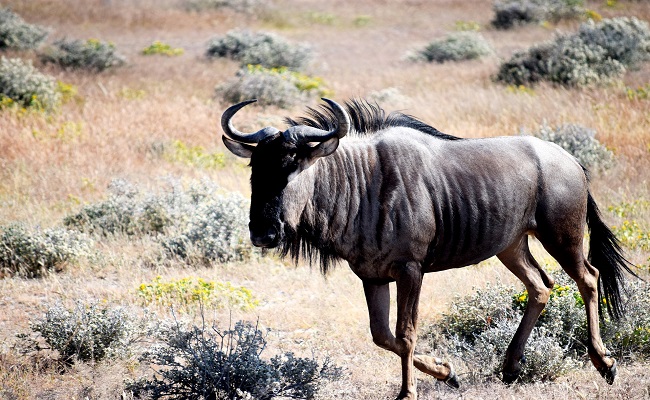
The Peak Season: July to October If you have ever dreamt of the quintisential African safari, this is your window. This period coincides with the Great Wildebeest Migration, often dubbed the ‘Eighth Wonder of the World.’ Over two million wildebeest, zebras, and gazelles traverse the Serengeti-Mara ecosystem. The dramatic river crossings at the Mara River are a spectacular, heart-pounding sight.
Because this is the dry season, wildlife is easier to spot as animals congregate around permanent water sources. The grass is short, providing clear lines of sight for photographers. However, keep in mind that this is also the busiest time, so expect more vehicles in the parks and higher prices for luxury lodges.
The Short Dry Season: January to February For those who prefer a quieter experience with equally excellent game viewing, early year is the hidden gem of Kenyan travel. The weather is hot and dry, which makes for spectacular sunrises and comfortable evenings. This is also ‘calving season’ for many species; watching a newborn zebra take its first steps while predators lurk in the distance is a poignant reminder of the circle of life. This is also arguably the best time for beach lovers to combine a safari with the turquoise waters of Diani or Watamu.
The ‘Green’ Season: November to December and March to May The rains in Kenya come in two waves: the ‘short rains’ in November/December and the ‘long rains’ from March to May. To the uninitiated, this might seem like a time to avoid, but seasoned travelers know better. The landscape transforms into a prehistoric shade of emerald green.
The air is crisp, dust-free, and perfect for photography. This is also the premier time for birdwatchers, as migratory species from Europe and North Africa arrive in the Rift Valley lakes. Best of all, you can enjoy the wilderness in relative solitude and take advantage of significant ‘secret season’ discounts at world-class camps.
Practical Tips for Your Journey
Regardless of when you visit, Kenya’s equatorial location means the sun is strong, but early morning game drives can be surprisingly chilly. Always pack layers, including a light fleece and a windbreaker. If you are targeting the Great Migration, aim to book your accommodation at least 8 to 12 months in advance, as the best camps fill up rapidly.
Kenya doesn’t just offer a vacation; it offers a homecoming to nature. Whether you choose the thundering hooves of the dry season or the quiet bloom of the rains, the magic of the wild is waiting for you.