Best Time to Visit Serengeti National Park
The Serengeti offers a world-class safari experience year-round. Choose the dry season (June-October) for peak wildlife viewing or the calving season (January-February) for predator action and new life.
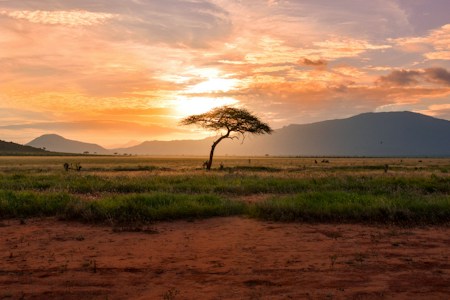
The Serengeti National Park is a place of legend. Spanning nearly 15,000 square kilometers of rolling grasslands, acacia woodlands, and rocky outcrops (kopjes), it is the quintessential backdrop for an African safari. However, because the ecosystem is driven by the movement of millions of animals, the "best" time to visit depends entirely on what you want to experience.
The Great Migration: A Year-Round Spectacle Many travelers visit the Serengeti specifically to witness the Great Migration—the annual movement of roughly 1.5 million wildebeest and hundreds of thousands of zebras and gazelles. This is not a single event, but a continuous cycle.
If your heart is set on seeing the dramatic river crossings, aim for July to September. During this window, the herds gather in the Northern Serengeti to face the perilous Mara River. Here, you’ll witness nature at its most raw as wildebeest leap into crocodile-infested waters.
For those interested in the circle of life, January through February is calving season in the Southern Serengeti (Ndutu region). Thousands of calves are born every day, attracting an incredible concentration of predators like lions, cheetahs, and hyenas.
The Dry Season (June to October): Best for Wildlife Viewing If your goal is to see the "Big Five" (lion, leopard, elephant, buffalo, and rhino) with ease, the dry season is unbeatable. As the landscape parches, the grass thins out, making it much easier to spot camouflaged cats. Animals also congregate around permanent water sources, meaning you won’t have to drive far to find action. The weather is also pleasant—clear blue skies and cool evenings make for comfortable game drives, though early mornings can be quite chilly.
The Green Season (November to May): The Photographer’s Dream The "Green Season" occurs during the short rains (November-December) and long rains (March-May). While some travelers avoid the rain, savvy safari-goers know this is a hidden gem. The dust settles, the air becomes crisp, and the Serengeti transforms into a lush, emerald paradise.
This is the best time for bird watching, as migratory species arrive from Europe and North Africa. Additionally, this is the low season for tourism. You’ll find fewer crowds at sightings and often benefit from lower rates at luxury lodges. While April and May can see heavy downpours that make some roads muddy, the sheer beauty of the landscape is unparalleled.
Practical Tips for Your Trip:
1. Book Early: If you plan to visit during the river crossings (July-September), book your camps at least 8-12 months in advance. 2. Layer Up: Even in the heat of summer, pre-dawn game drives are cold. Bring a windbreaker and a fleece. 3. Bring Binoculars: The Serengeti is vast. A good pair of optics will help you spot a leopard lounging in a distant acacia tree.
No matter when you choose to go, the Serengeti never truly sleeps. Whether you are watching a pride of lions under a golden October sun or witnessing the birth of a wildebeest in February, the magic of the plains will stay with you forever.