Benefits of undertaking a Fly-in Safari in Kenya
Fly-in safaris in Kenya maximize your vacation time by replacing long drives with scenic flights. This travel style offers unique bird's-eye views of the Rift Valley and provides easy access to remote, exclusive wilderness areas while ensuring you arrive at your destination refreshed.
Kenya is a land of dramatic contrasts, from the snow-capped peaks of Mount Kenya to the golden rolling plains of the Maasai Mara. While the traditional "dusty road" safari has its charms, there is an increasingly popular way to experience this East African gem that prioritizes comfort, time, and perspective: the Fly-in Safari.
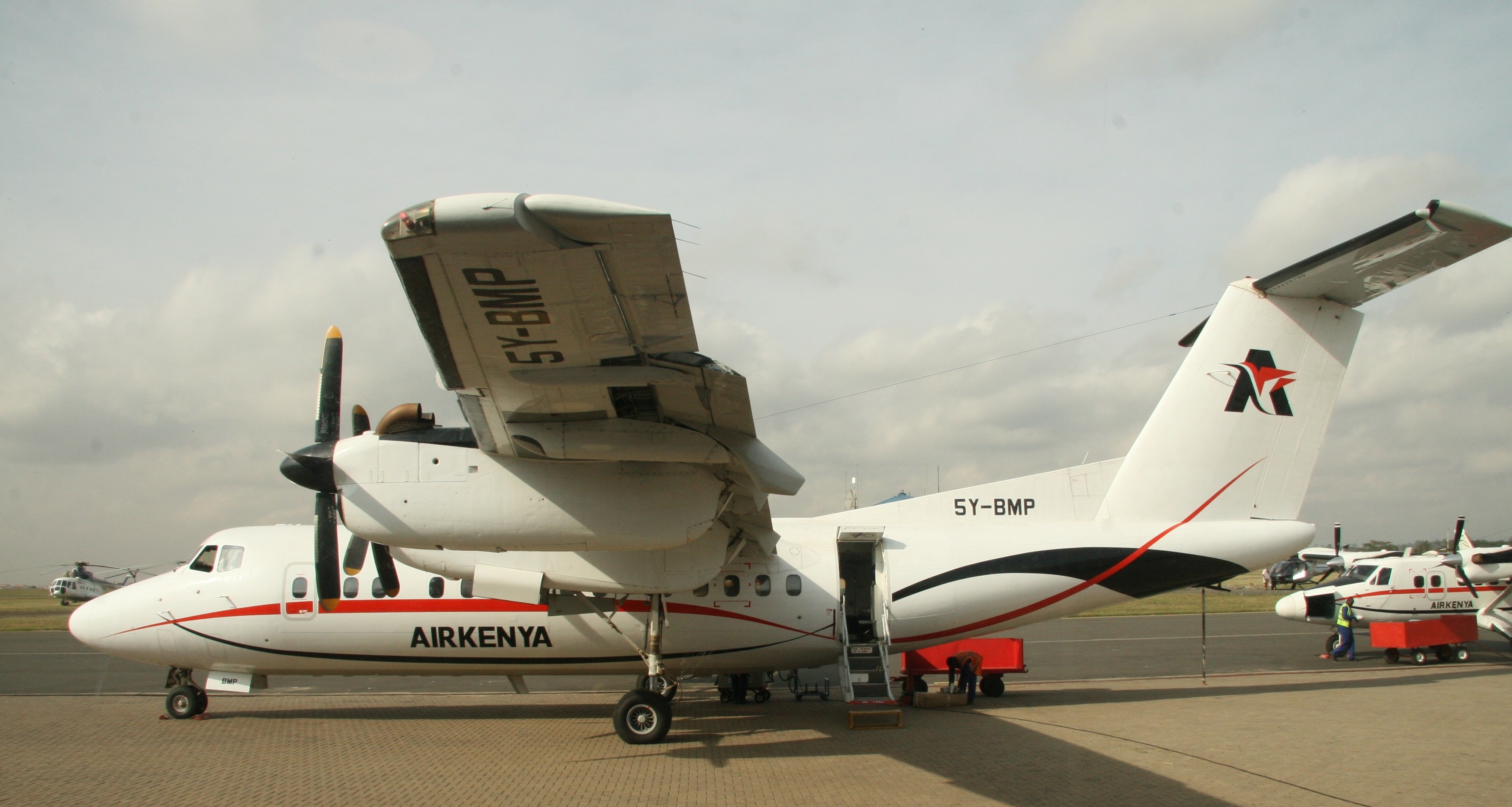
A fly-in safari swaps long, bumpy drives in a 4x4 for short, scenic hops in a light aircraft. This transition doesn’t just change your mode of transport; it fundamentally elevates your entire travel experience.
The Gift of Time The most tangible benefit of a fly-in safari is time. Kenya is a vast country. A drive from Nairobi to the Maasai Mara or Amboseli can take anywhere from five to seven hours, often over challenging terrain known locally as "African massage" roads. By flying, those hours are compressed into a smooth 45-minute flight. This means you can have breakfast in the city and be out on your first game drive before lunch. In a standard ten-day itinerary, choosing to fly can save you up to three full days of transit, giving you more time at the telescope and less time behind the windshield.
A Bird’s-Eye Perspective There is a profound magic in seeing the African landscape from above. Flying at lower altitudes in a bush plane allows you to witness the geography of the Great Rift Valley, the intricate patterns of river systems, and even large herds of elephants or buffalo traversing the plains. It provides a sense of scale that is impossible to capture from the ground. Many travelers find that the flight itself becomes a highlight of the trip, acting as a "scenic safari" in its own right.
Access to Remote Wilderness
Some of Kenya’s most pristine and exclusive conservancies are located in remote corners of the North, such as Samburu or Laikipia. These areas offer incredible biodiversity and rare species like the Grevy’s zebra, but reaching them by road can be grueling. Fly-in safaris grant you effortless access to these hidden gems, allowing you to bypass the more crowded tourist circuits and land directly on private airstrips where the only "traffic" is a stray impala crossing the runway.
Arriving Refreshed
Safari days start early, often before sunrise. To truly appreciate the wildlife, you need energy and focus. Navigating thousands of kilometers of unpaved roads can be physically draining. When you fly, you arrive at your luxury camp or lodge refreshed, dust-free, and ready to engage with your surroundings. It turns the journey into a seamless, stress-free transition between different ecosystems.
Practical Tips for the Sky
If you’re planning a fly-in safari, keep in mind that light aircraft have strict luggage requirements. Most operators require soft-sided bags (duffels) and have a weight limit of 15kg (33lbs). This encourages a "less is more" approach to packing, focusing on lightweight, breathable layers that are perfect for the bush.
A fly-in safari is more than just a luxury; it is a strategic way to see the best of Kenya without the fatigue of the road. It offers a blend of efficiency, comfort, and awe-inspiring aerial views that stay with you long after you’ve returned home.